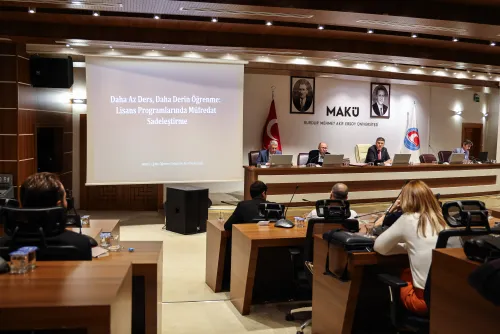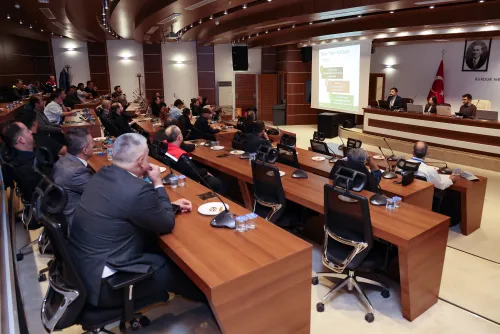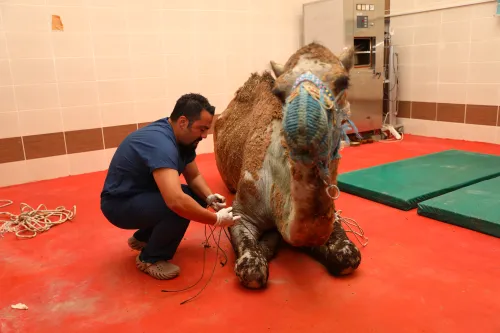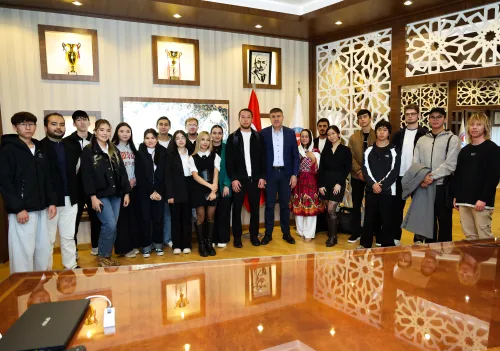


With the 'Village University Project' implemented by Burdur Mehmet Akif Ersoy University, it is aimed to increase the knowledge and skill level of those living in the village in areas such as health, education, culture, and disaster awareness, in addition to agriculture and animal husbandry.
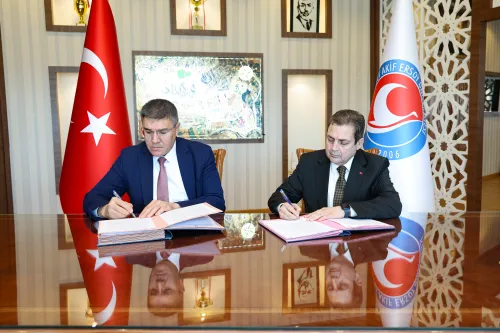
The Village University Project, carried out by Burdur Mehmet Akif Ersoy University (MAKÜ) in coordination with the Council of Higher Education (YÖK) and the Presidency Strategy and Budget Directorate, has been ongoing since March.
The project aims to strengthen not only the roles of those living in rural areas in production processes but also their daily life practices and social interactions. It is aimed to increase the knowledge and skill level of every individual in the village through applications offered in different areas such as health, education, culture, and disaster awareness.
A team consisting of academicians and students conducts a detailed assessment in the villages before starting educational activities. Education topics are created based on the age distribution, prominent needs, and knowledge deficiencies identified.
MAKÜ Rector Prof. Dr. Hüseyin Dalgar told the AA correspondent that universities have social contribution responsibilities, and this understanding led to the emergence of the Village University Project.
Noting that migration from village to city has increased and young people do not want to stay in rural areas, Dalgar said, 'As a university, we thought about what we could do to reduce, prevent, or ensure reverse migration from rural to urban areas. We prepared a comprehensive project by coming together with all our professors and called it 'Village University.'
Dalgar stated that people living in modern cities owe their food consumed in metropolises to those who produce it in villages despite difficulties.
- 'Over 200 academicians are involved in these trainings and the project'
Dalgar also pointed out that these people have needs beyond just how to do agriculture and animal husbandry better, and continued:
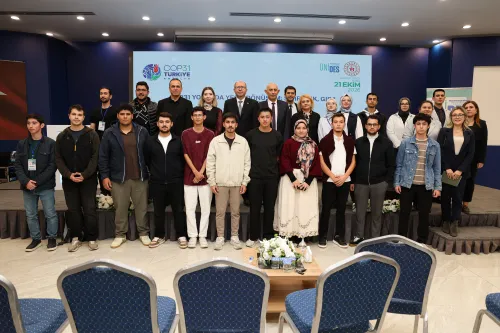
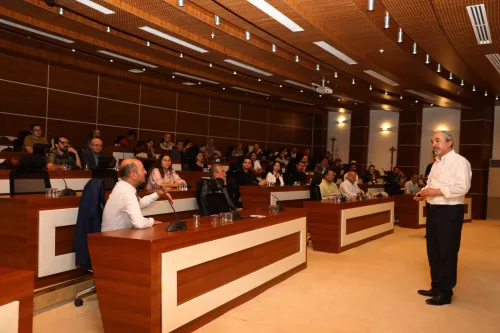
'For example, they have needs in many areas such as raising conscious children, combating addiction, what to do during disaster periods, spirituality, that is, understanding religion correctly, strengthening spirituality, managing their own economy, budget, agricultural production, animal production, positive aging. We started from here, and this circle is expanding by going to the public with a group of volunteer academicians. Over 200 academicians are involved in these trainings and the project, taking on roles in increasing numbers every day.'
Dalgar emphasized that MAKÜ adopts the understanding of 'from universal knowledge to social contribution.'
Dalgar explained that they have an academic staff of 1200 people who closely follow current information and developments from the other side of the world, and said, 'We are one of the distinguished universities of our country, formed by a group of academicians striving to bring this knowledge and transform it primarily for the benefit of the society we are in, our country, and then humanity. Therefore, I feel very lucky. Because we work with such a staff and such an understanding.'
MAKÜ Livestock Specialization Lecturer Abdüllatif Emirikci noted that needs analyses were conducted first in the Village University Project, and they provided training based on the demand from the village.
MAKÜ Faculty of Economics and Administrative Sciences, Faculty Member Assoc. Dr. Umut Yanardağ also stated that all universities want these studies to be carried out and that there is a need for such an effort to sustain life in the village.
MAKÜ Emergency Aid and Disaster Management Department Dr. Lecturer Murat Abdülgani Kuş, who pointed out that the project has a social development goal, stated that they are determined to continue education in all villages of Burdur.
One of the students involved in the project, MAKÜ Faculty of Dentistry student Rafet Erdem, explained that they examined the teeth of children and the elderly in the village and provided information on dental care.